



Payroll Software vs Manual Payroll in Kenya
For many businesses, payroll starts with spreadsheets, manual calculations and employee records maintained across different files. This approach may work when the workforce is small, but managing payroll manually can become increasingly difficult as a business grows. This is why many Kenyan businesses are considering payroll
Read More
How Payroll Software Helps Kenyan Businesses Manage Payroll
Managing payroll accurately is an important part of running any business. As employee numbers increase, calculating salaries, deductions, allowances and generating payroll records manually can become increasingly time-consuming. For Kenyan businesses, payroll software in Kenya provides a way to organise these processes and reduce the amount
Read More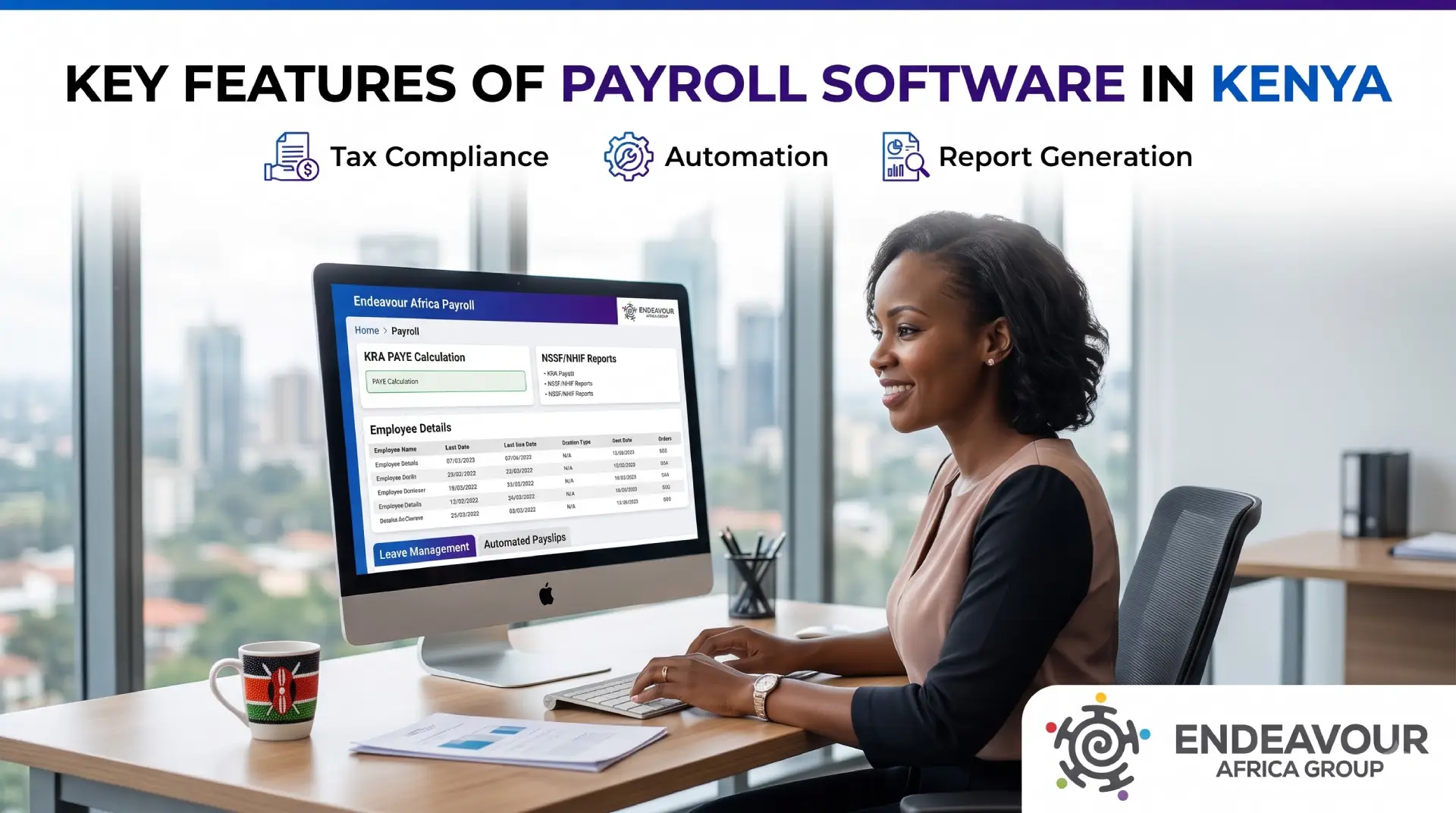
Key Features of Payroll Software in Kenya
Managing payroll involves much more than calculating monthly salaries. Businesses need to maintain employee information, manage deductions, generate payslips, prepare reports and keep payroll records organised. This is why choosing the right payroll software in Kenya is important for businesses looking to make payroll more efficient
Read More
What Is Payroll Software and How Does It Work in Kenya?
Managing employee salaries manually can become difficult as a business grows. Payroll teams may need to calculate salaries, deductions, allowances, taxes, payslips and payroll reports every month. This is where payroll software in Kenya can help. Payroll software is a digital system that automates and organises
Read More
How to Choose Payroll Software in Kenya
Choosing the right payroll software in Kenya is an important decision for businesses that want to manage salaries, employee information, deductions, payslips and payroll reporting accurately. As businesses grow, managing payroll through spreadsheets or disconnected systems can become time-consuming and increase the risk of errors. The
Read More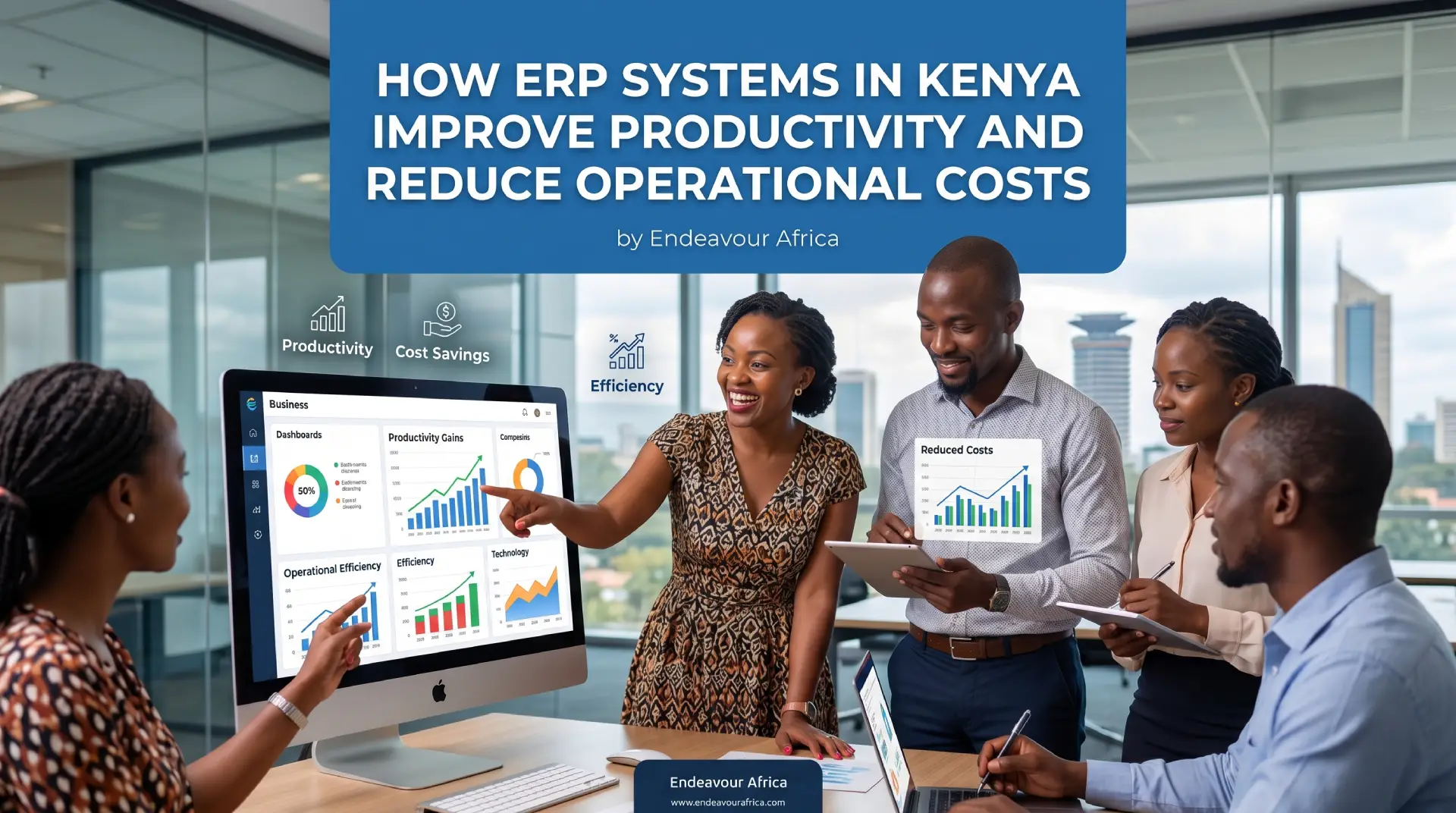
How ERP Systems in Kenya Improve Productivity and Reduce Operational Costs
Businesses today face increasing pressure to achieve more with fewer resources. Whether managing employees, finances, inventory, or operations, organizations need efficient systems that reduce complexity and improve performance. This is why many businesses are adopting ERP Systems in Kenya to streamline processes, improve productivity, and reduce
Read More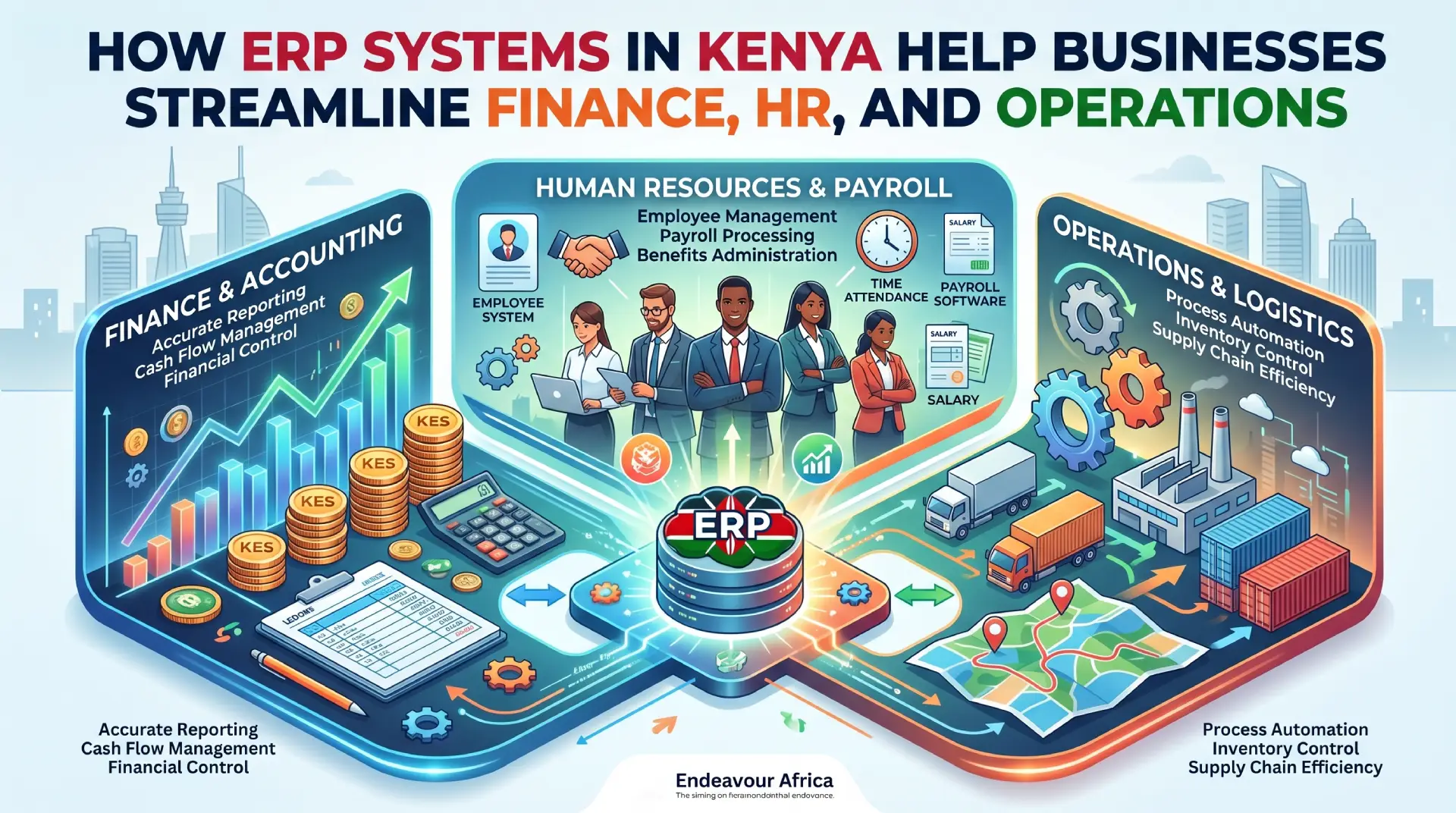
How ERP Systems in Kenya Help Businesses Streamline Finance, HR, and Operations
Businesses today face increasing pressure to operate efficiently while maintaining profitability and compliance. Managing multiple departments using disconnected systems often results in inefficiencies, duplicated work, and costly mistakes. This is why more organizations are investing in ERP Systems in Kenya to centralize business processes and improve
Read More
Why More Companies Are Investing in ERP Systems in Kenya for Business Growth
Business growth brings new opportunities, but it also introduces operational complexity. As organizations expand, managing finance, human resources, payroll, inventory, procurement, and reporting becomes increasingly challenging. To overcome these challenges, more businesses are investing in ERP Systems in Kenya as a strategic tool for growth and
Read More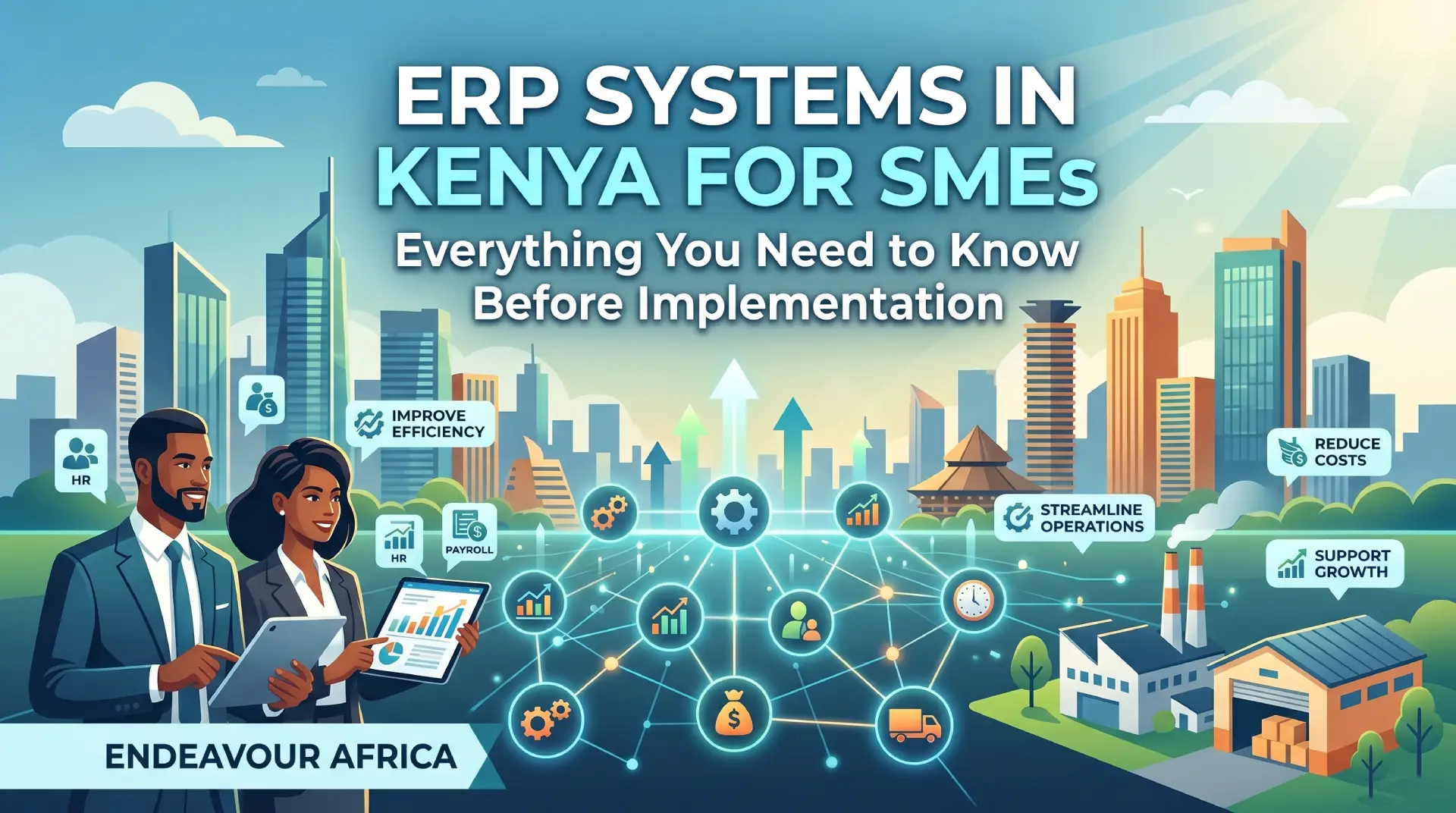
ERP Systems in Kenya for SMEs: Everything You Need to Know Before Implementation
Small and medium-sized enterprises (SMEs) are the backbone of Kenya’s economy. As these businesses grow, managing finance, employees, inventory, procurement, and operations becomes increasingly complex. Many SMEs initially rely on spreadsheets and manual processes. While these methods may work during the early stages, they often create
Read More
POS System in Kenya: How Smart Retailers Are Increasing Sales in 2026
The retail industry in Kenya is evolving rapidly. Customers expect faster service, accurate billing, seamless payment options, and better shopping experiences. Businesses that continue relying on manual processes often struggle to keep up with these expectations. As a result, more retailers are investing in a POS
Read More