


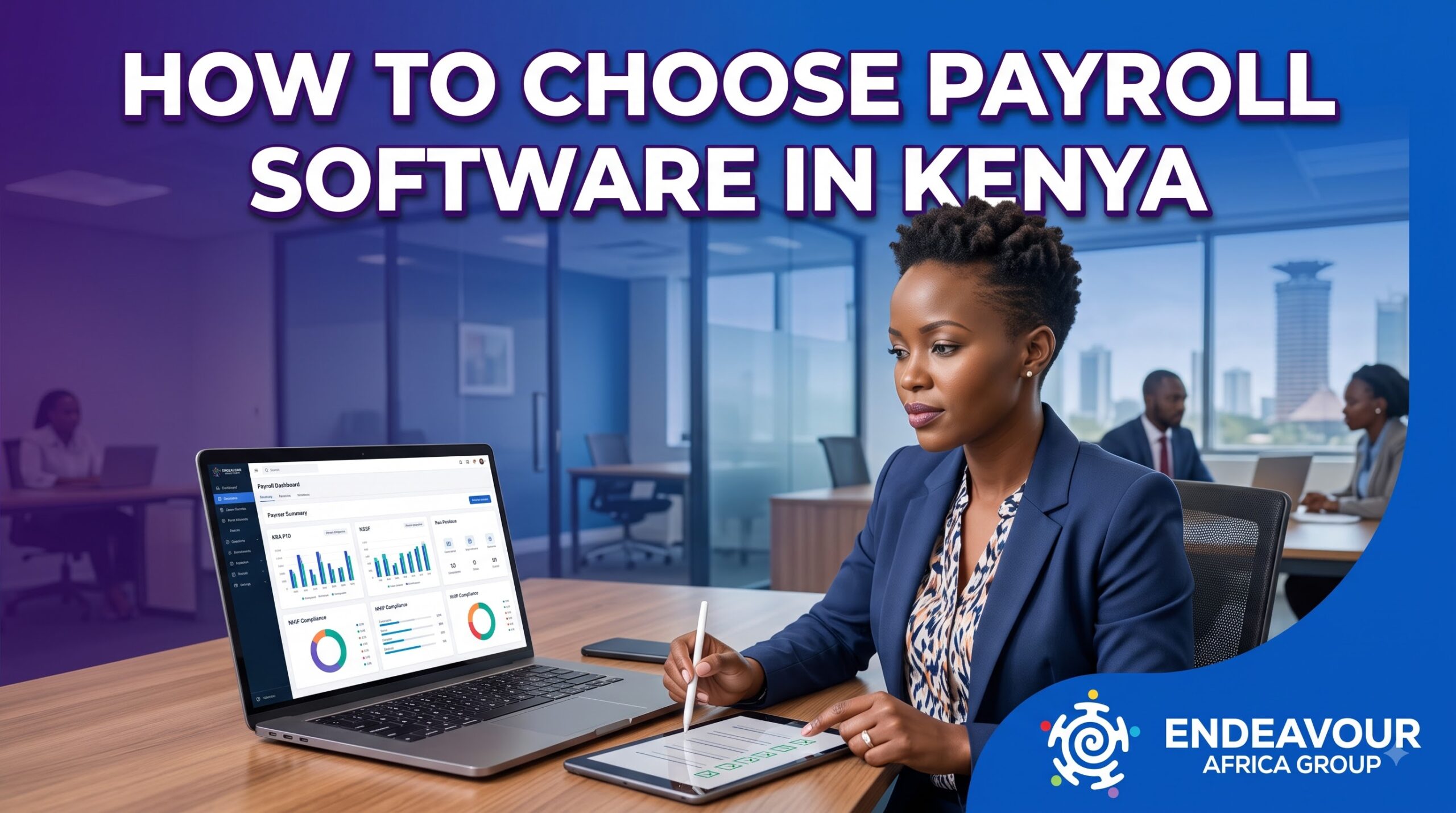
Choosing the right payroll software in Kenya is an important decision for businesses that want to manage salaries, employee information, deductions, payslips and payroll reporting accurately.
As businesses grow, managing payroll through spreadsheets or disconnected systems can become time-consuming and increase the risk of errors. The right payroll solution should not only process salaries but also connect payroll with wider HR management and business operations.
For Kenyan businesses, the goal should be to choose a system that is reliable, easy to use, scalable and designed to support local payroll requirements.
What Should You Look for in Payroll Software in Kenya?
Not every payroll system offers the same capabilities. Before choosing a solution, businesses should evaluate the features, usability and integration options that matter most to their operations.
1. Payroll Processing and Automation
A good payroll software in Kenya should automate repetitive payroll activities and reduce manual calculations.
Look for capabilities such as:
- Automated salary calculations
- Employee earnings and deductions
- Payslip generation
- Payroll reports
- Payroll history
- Automated payroll processing
Automation can reduce administrative work and help payroll teams maintain greater accuracy.
2. Support for Kenyan Payroll Requirements
Payroll software should be suitable for the requirements of businesses operating in Kenya.
When comparing the best payroll software in Kenya, check whether the system can support relevant statutory deductions, payroll calculations and reporting requirements.
This is particularly important because payroll information needs to be managed accurately and consistently.
3. Employee and HR Management
Payroll is closely connected to employee information. A system that combines payroll with HR functionality can reduce the need to maintain employee records across multiple platforms.
This is where HRMS payroll software in Kenya can provide additional value by connecting employee management and payroll processes in one system.
For businesses looking for a broader solution, explore Best HRMS & Payroll Software in Kenya.
4. Easy-to-Use Interface
Payroll teams should not need complicated processes to complete everyday tasks.
When evaluating payroll management software in Kenya, consider:
- How easily employees can be added or updated
- How quickly payroll can be processed
- Whether reports are easy to access
- Whether payslips can be generated efficiently
- How simple the system is for administrators to use
A user-friendly system can improve adoption and reduce unnecessary training.
5. Accurate Reporting
Payroll data is useful beyond salary processing. Businesses may need payroll reports for internal reviews, finance teams and management decisions.
The best payroll software in Kenya should provide clear and useful reports that help businesses understand payroll costs and employee-related information.
6. Scalability for Growing Businesses
Your payroll requirements may change as your business grows.
A suitable payroll system in Kenya should be able to handle increasing numbers of employees and changing business requirements without forcing you to replace the system later.
Businesses should therefore consider scalability before making a long-term software investment.
Why Choose an Integrated Payroll Solution?
Managing payroll separately from HR, finance and other business operations can create duplicated data and additional administrative work.
An integrated solution can help connect employee information and payroll processes while giving management better visibility.
For businesses that need more than payroll alone, Endeavour Africa’s HRMS & Payroll solution can be considered as part of a broader HR and payroll management approach.
How Endeavour Africa Helps Businesses Manage Payroll
Endeavour Africa provides business software solutions designed to help organisations manage their operations through connected systems.
For businesses searching for payroll software in Kenya, the right solution should go beyond basic salary calculations. It should help streamline payroll activities, employee management, reporting and related business processes.
You can also explore Best Payroll Software in Kenya to understand the payroll solution offered by Endeavour Africa.
For businesses in different industries, Endeavour Africa also provides specialised ERP solutions, including:
- ERP for Clothing Manufacturing in Kenya
- ERP for Manufacturing in Kenya
- ERP for Oil Manufacturing in Kenya
- ERP for Plastic Manufacturing in Kenya
This makes it easier for businesses to consider payroll as part of a wider approach to managing employees, finance and business operations.
How to Compare the Best Payroll Software in Kenya
Before making a decision, create a simple checklist and compare different solutions based on your actual business requirements.
Consider:
- Payroll automation
- Employee management
- Kenyan payroll requirements
- Reporting capabilities
- Ease of use
- Scalability
- Integration with other business functions
- Vendor support
- Overall value for the business
The best payroll software in Kenya is not necessarily the one with the longest feature list. It is the solution that fits your business processes, reduces manual work and can support your organisation as it grows.
Conclusion
Choosing payroll software in Kenya should be based on more than salary processing alone. Businesses should consider payroll accuracy, employee management, reporting, usability, scalability and integration with other business processes.
For organisations looking for a connected business solution, Endeavour Africa offers payroll and HR software designed to support growing businesses.
The right payroll software in Kenya can help reduce manual administration, improve visibility and create a more efficient payroll process.
Frequently Asked Questions
1. What is payroll software in Kenya?
Payroll software in Kenya is a digital system that helps businesses manage employee salaries, deductions, payslips, payroll records and reporting. It can reduce manual payroll work and improve accuracy.
2. How do I choose the best payroll software in Kenya?
Compare payroll automation, employee management, statutory payroll support, reporting, ease of use, scalability and integration capabilities. The best payroll software in Kenya should match your business requirements.
3. Why should businesses use payroll software?
Payroll software can reduce repetitive manual work, organise employee payroll information, simplify calculations and make payroll reporting easier.
4. Can payroll software manage employee information?
Yes. Many modern payroll systems include employee management features. An integrated HRMS payroll software in Kenya can connect employee records with payroll processes.
5. Is payroll software suitable for small businesses in Kenya?
Yes. Small and growing businesses can use payroll software to reduce manual administration and create more structured payroll processes as their workforce grows.
6. What features should payroll software have?
Important features include payroll processing, salary calculations, deductions, payslip generation, employee records, reporting and payroll history. Businesses should also consider integration and scalability.
7. What is the difference between payroll software and HRMS payroll software?
Payroll software primarily focuses on payroll activities, while HRMS payroll software in Kenya can combine payroll with broader HR functions such as employee management and HR administration.
8. Can payroll software help reduce payroll errors?
Automating calculations and standardising payroll processes can reduce the risk of errors caused by repetitive manual data entry and calculations.
9. Why is payroll reporting important?
Payroll reports help businesses review salary costs, deductions, employee payroll information and other payroll-related data for management and administrative purposes.
10. How can Endeavour Africa help with payroll management?
Endeavour Africa provides payroll and HR software solutions designed to help businesses manage payroll and employee-related processes through a more connected system.
Comments are closed